
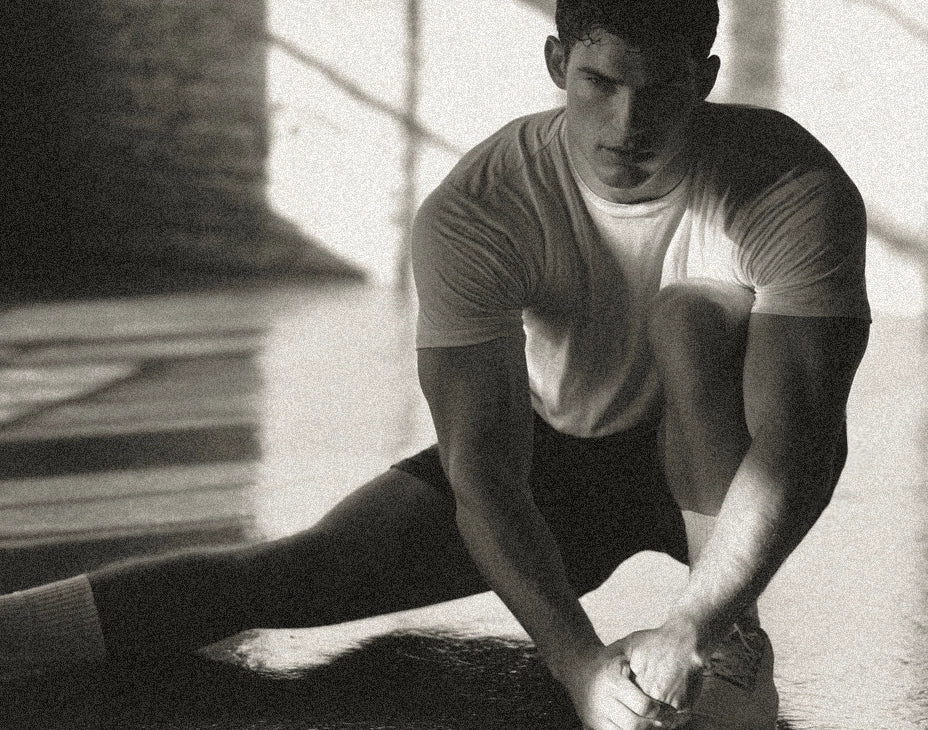
Stretching: Before or after training?
The answer is: both, but with different types of stretches.
Before training: Dynamic stretches
Objective: To prepare the body for exercise, increase mobility, and reduce the risk of injury.
Characteristics: They are performed while moving, without maintaining the position for a long time.
Examples:
Arm and neck rotations – To activate the upper body.
Dynamic lunges – To warm up legs and hips.
Leg swings – Improves hip and knee mobility.
Skipping or gentle jumping – Increases circulation and body temperature.
After training: Static stretching
Objective: To relax muscles, reduce tension and improve recovery.
Features: They remain still for 15-30 seconds.
Examples:
Quadriceps stretch – Bring your foot towards your buttocks.
Hamstring stretch – Touch your toes with your legs extended.
Triceps stretch – Bring your arm behind your head.
Back and shoulder stretch – Child's pose in yoga.
This helps prevent muscle stiffness and improve flexibility in the long term.
Remember that these are some general tips: Consult your doctor or trainer to plan a routine that best suits your physical condition.